
JACK DANIELS' TRADEMARK SETTLEMENT AGREEMENT
Contracts don't fizzle out just like that.

Trademark disputes can come in any of these forms:
Opposition to the Registration of a Pending Trademark
Invalidation/Cancellation of a Registered Trademark
Claims of Trademark Infringement
Claims of Passing Off
When any of these issues arise, the parties have two options. They either engage in a legal battle or reach a mutual agreement. For opposition of registration, the party seeking to register has the third option of abandoning the registration.
Legal battles are usually fierce. Take that of Gucci and Guess, for instance. Their dispute over the same issue lasted close to a decade. Imagine how much both parties must have spent in that process.
Clearly, litigation is not always the best option especially if any of the parties is willing to negotiate a settlement.
TRADEMARK SETTLEMENT AGREEMENT
A trademark settlement agreement involves negotiations to reach an agreeable conclusion on the use of the trademark, which is the subject matter of dispute.
Where the dispute is an opposition to a pending registration, the settlement can permit the continued use of the trademark but prevent registration. This was the outcome in the battle between Kylie Jenner and Kylie Minogue over the trademark “Kylie”.
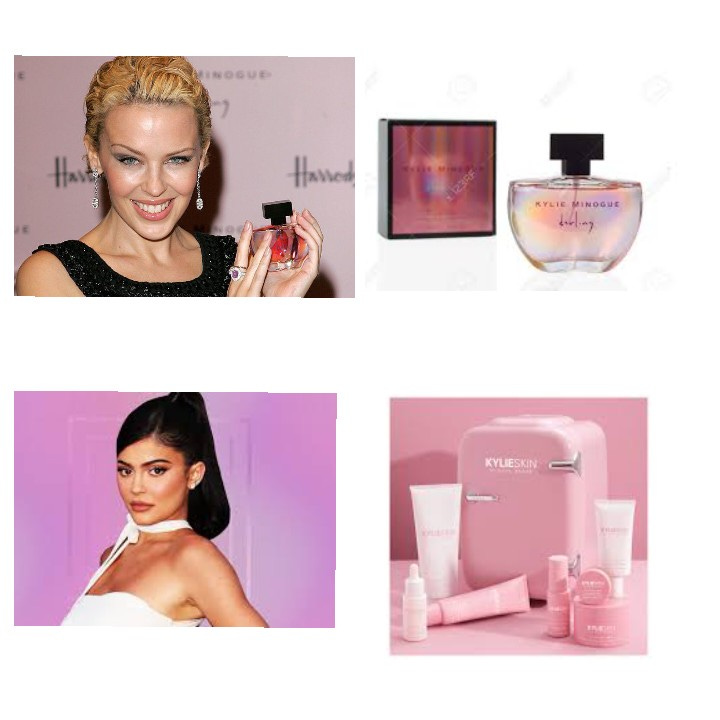
At the moment, both of them run beauty brands with the name “Kylie" but to solve the issue of confusion between their products, Jenner uses “Kylie by Kylie Jenner" for her beauty products. It is perceived that this modification could be part of terms contained in the settlement agreement. Minogue permitted Jenner to use “Kylie” concurrently but still, Jenner could not register the name.
However, in some other cases, the parties can reach an agreement to permit both registration and continued use of the trademark.
Whether it finally leads to registration or not, these settlement agreements are always subject to certain conditions that are not usually disclosed to the public.
A settlement agreement is actually confidential. Thus, only the parties are privileged to know the specific terms and conditions of the agreement.
The settlement is contractual in nature and any violation of the terms will be treated as a breach of contract entitling the other party to sue.
Where a subsequent lawsuit arises over the already existing agreement, the terms of the agreement will surely be disclosed to the public.
This is exactly what’s currently going on in the recent case between two wine producing companies.
THE FULL GIST
Hauser Estate Winery is the producer of Jack's Hard Cider.
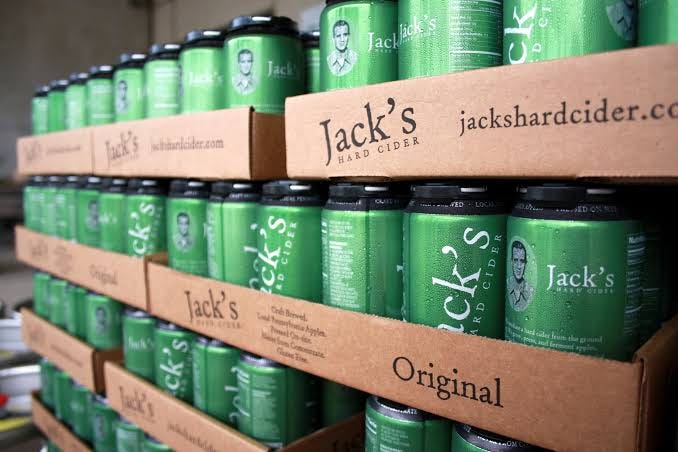
In 2010, the Estate tried to register a trademark for “Jack’s Hard Cider”. However, the registration was opposed by Jack Daniels, an alcohol producing company.
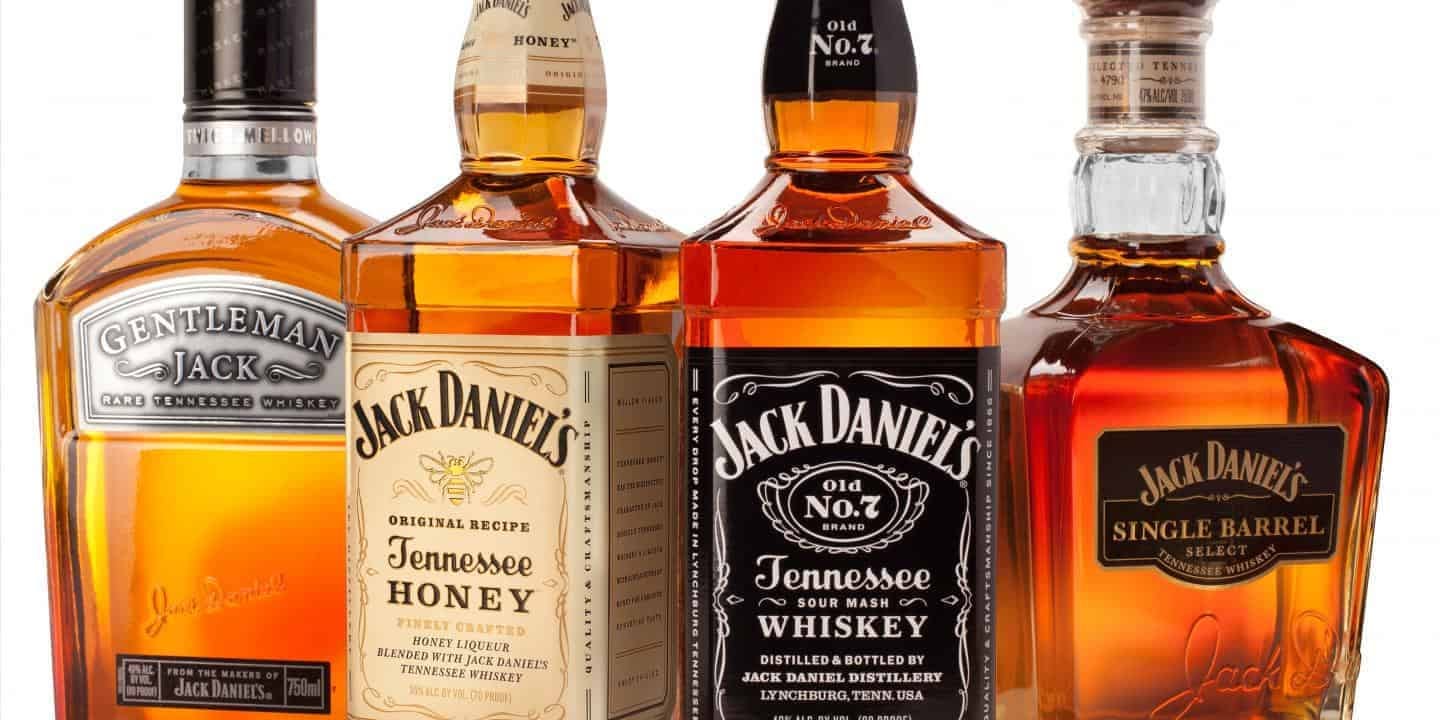
The Estate subsequently abandoned the trademark application. But later on, the two brands reached an agreement in 2013 which permitted the Hauser Estate to use the name “Jack" for its product, Jack's Hard Cider. This use was subjected to certain conditions agreed by the parties.
Following bankruptcy issues in 2018, another company, Atomic Dog LLC acquired the Hauser Estate Winery and introduced new branding for the Estate's product, “Jack's Hard Cider”
Consequently, Jack Daniels instituted an action claiming that the initial agreement it had with the Hauser Estate was also binding on Atomic Dog LLC as a successor-in-title and that the new branding breached the terms of the 2013 agreement.
It turns out that Jack Daniels permitted Hauser Estate to use the trade name “Jack's Hard Cider” for their cider product on the condition that all packaging, advertising etc involving the use of that trade name must also make reference to the Hauser Estate.
So, before Atomic Dog acquired the Estate, the packaging of the cider bore the name “Jack’s Hard Cider” and was always accompanied by a picture of Jack Hauser to distinguish it from the packaging of Jack Daniel’s products.
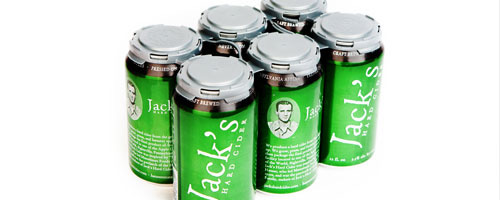
But after 2018, the new branding excluded the picture thus breaching the conditions of the 2013 agreement.
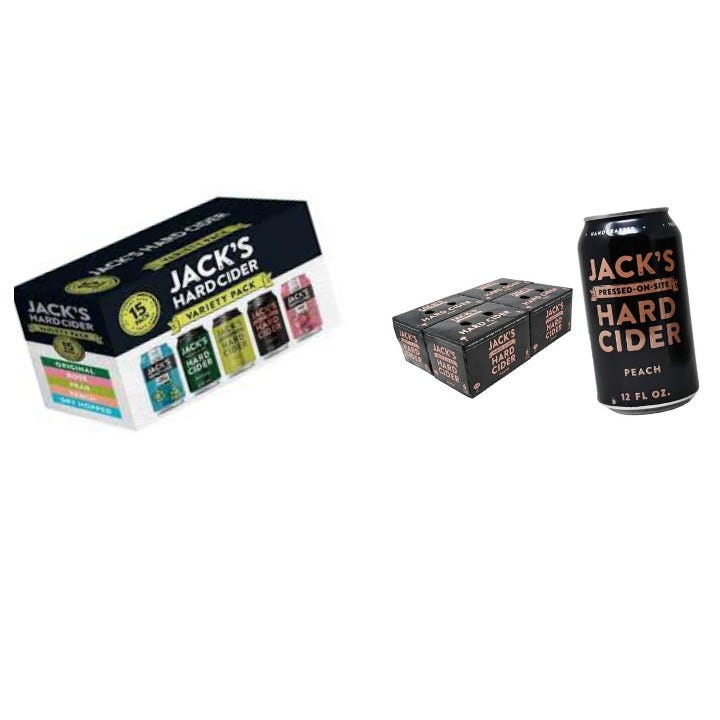
Jack’s Hard Cider’s new packaging is very likely to lead to consumer confusion because of its similarity with the packaging of Jack Daniels’ whiskey sold in cans.
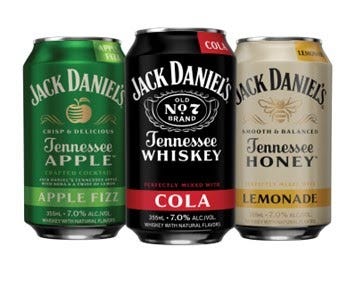
Consequently, Jack Daniels filed a complaint with claims of unfair competition, trademark infringement and breach of contract against Atomic Dog
While we await the outcome of this lawsuit, it’s important to note that this suit could have been avoided if Atomic Dog carried out due diligence during the acquisition of the Hauser Estate Winery.
Just like real property, intellectual property can also be encumbered by the interest of third parties.
Before you conclude negotiations for an IP right, it’s necessary to find out whether any other party has vested interest or if there are already existing terms and conditions surrounding the use and operation of that IP right.